Shuyuanjie Cemetery
Introduction
The Shuyuanjie Cemetery, located in Zhengzhou, Henan province, is a significant archaeological site from the Shang Dynasty (c.16th-11th century BC). This cemetery is notable for its comprehensive structure, which includes trenches, tunnels, tombs and sacrificial remains. It serves as an intact example of the burial sites used by the high-ranking nobility during this period. The site is distinguished by its early standardized trench area, which covers more than 30,000 square meters, making it the earliest known of its kind in China.
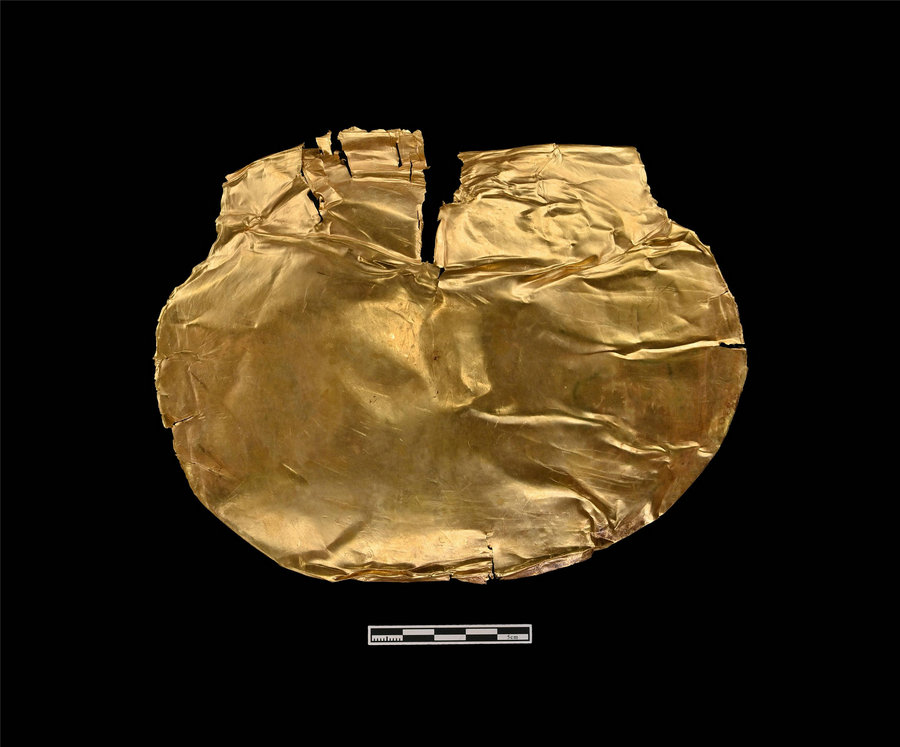
Rich artifacts, including bronzeware, goldware, jade ware, turquoise, seashells and sacrificial vessels, have been unearthed from the 20 tombs discovered at the site. These findings offer valuable insights into the standardized funeral rituals of the early Shang Dynasty nobles and reveal innovative ritualistic systems. The Shuyuanjie Cemetery fills critical gaps in our understanding of the Shang Dynasty's bronze and gold cultures.
History
Establishment
The establishment of the Shuyuanjie Cemetery is rooted in the early Shang Dynasty, a period characterized by the development of complex social structures and ritual practices. The cemetery's location in what is now Zhengzhou, the capital of Henan province, indicates its importance as a burial site for high-ranking nobility. The area served as a prominent center for political and cultural activities during the Shang Dynasty, and the cemetery's construction reflects the sophisticated burial customs that were practiced at the time. The discovery of the cemetery represents a long-anticipated breakthrough in archaeological efforts, as it provides a glimpse into the early stages of ritualistic development that would come to define the Shang Dynasty's culture.
Development
Since its initial discovery, the development of the Shuyuanjie Cemetery has been a focal point for archaeological research. Excavations have revealed a wealth of artifacts that showcase the cemetery's significance within the broader context of the Shang Dynasty. The variety and quality of the artifacts found at the site, such as bronzeware and goldware, suggest a highly developed ritual system. The cemetery's design and layout, including the standardized trench area, are indicative of the advanced cultural and technological achievements of the Shang Dynasty. Researchers have been able to draw comparisons between artifacts found at Shuyuanjie and those from other significant Shang sites, such as the Yinxu Ruins. This has allowed for a more comprehensive understanding of the Shang Dynasty's cultural and ritualistic practices.
Architecture and Layout
Design Features
The Shuyuanjie Cemetery's architecture and layout reflect the sophistication of Shang Dynasty burial practices. The site features a network of trenches, tunnels and tombs, each meticulously designed to accommodate the burial of nobility. The standardized trench area is a testament to the advanced planning and architectural skills of the time. The cemetery's design incorporates both functional and symbolic elements, with the layout serving both practical and ritualistic purposes. The presence of sacrificial remains and vessels indicates the importance of ritual offerings in the burial process. The artifacts unearthed from the site, including bronzeware and jade ware, further illustrate the cultural significance of the cemetery's design.
Notable Monuments
Within the Shuyuanjie Cemetery, several notable monuments stand out as key features of the site. These monuments, often constructed from finely crafted materials such as bronze and jade, serve as markers of the high-ranking individuals buried there. The intricacy and craftsmanship of these monuments reflect the significant social status of the individuals interred within the cemetery. Each monument is unique, with designs that highlight the artistic and cultural values of the Shang Dynasty. The discovery of these monuments has provided archaeologists with valuable insights into the burial customs and social hierarchies of the period.
Cultural Significance
The Shuyuanjie Cemetery holds immense cultural significance as a representation of the Shang Dynasty's burial practices and social structure. The site's discovery has filled crucial gaps in our understanding of the early Shang Dynasty, particularly in relation to its bronze and gold cultures. The artifacts and design features of the cemetery offer a glimpse into the complex ritual systems that were in place at the time. These findings have not only enriched our knowledge of the Shang Dynasty but have also contributed to our understanding of the broader cultural developments in ancient China. The cemetery's role in the development of standardized funeral rituals underscores its importance as a cultural and historical landmark.
Prominent Burials
The Shuyuanjie Cemetery is renowned for its prominent burials, which include high-ranking nobility from the Shang Dynasty. These burials provide invaluable insights into the social and political dynamics of the period. The individuals interred at the site were likely influential figures within the Shang Dynasty, and their elaborate burial practices reflect their significant status. The discovery of a wide array of artifacts in these burials, including bronzeware, goldware and jade ware, highlights the wealth and power of the individuals buried there. These prominent burials have become a focal point for researchers seeking to understand the hierarchical structure and cultural practices of the Shang Dynasty.
Preservation and Conservation
Efforts to preserve and conserve the Shuyuanjie Cemetery have been ongoing since its discovery. Archaeologists and conservationists have worked to protect the site from environmental and human-related threats. The preservation of the cemetery's artifacts and structural features is crucial for ensuring that future generations can continue to study and appreciate this significant historical site. Conservation initiatives have focused on stabilizing the site and preventing further deterioration of its valuable artifacts.








